 Dansday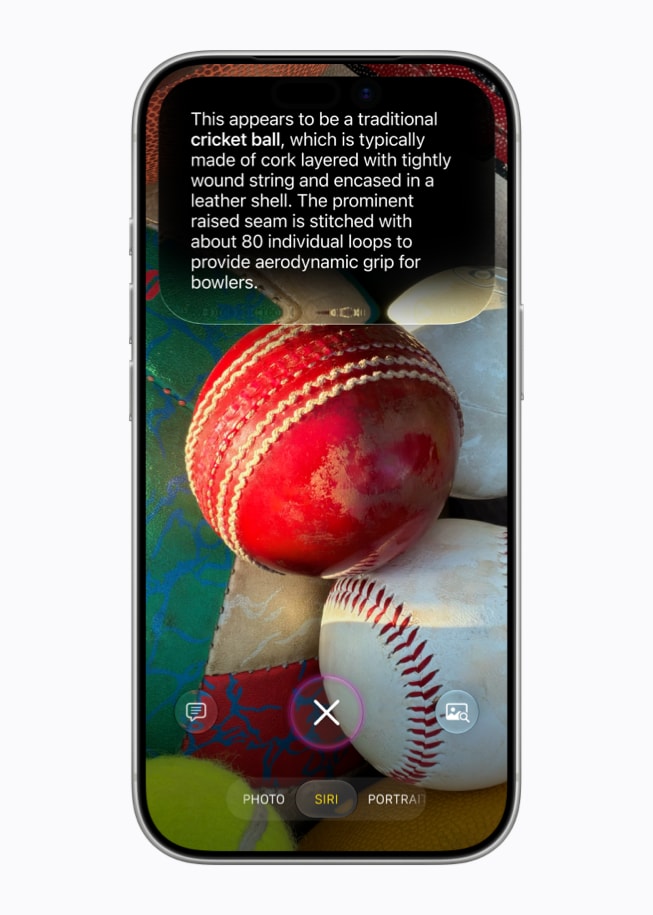
Apple used its WWDC 2026 keynote to showcase a major evolution of Siri, introducing a rebuilt AI assistant designed to deliver more natural conversations, deeper app integration, and improved on-device intelligence.
The updated Siri is powered by Apple's latest AI technologies and is designed to better understand context across conversations. Users can ask follow-up questions, switch topics naturally, and complete more complex tasks without repeatedly providing the same information.
Apple also expanded AI features across iOS, iPadOS, and macOS. New capabilities include smarter writing assistance, improved notification summaries, AI-powered image features, and developer APIs that allow third-party apps to integrate with Apple's intelligence platform. These additions continue Apple's strategy of embedding AI into everyday experiences rather than offering it as a standalone product.
Unlike many competitors that rely heavily on cloud processing, Apple emphasized privacy by performing many AI tasks directly on supported devices. On-device processing helps reduce latency while keeping sensitive user data local whenever possible.
The announcement reflects the growing competition among major technology companies. Google, Microsoft, OpenAI, and Apple are all investing heavily in AI assistants that can understand user intent, automate workflows, and become central to daily computing.
For developers, the new AI framework opens opportunities to build applications that interact more naturally with users. By exposing new APIs, Apple aims to encourage developers to integrate AI-powered experiences into existing apps while maintaining the company's privacy standards.
WWDC 2026 demonstrates that AI has become one of the defining themes of consumer technology. Rather than focusing solely on chatbots, companies are increasingly embedding AI into operating systems, productivity tools, and everyday devices.
Apple's latest announcements show that the competition is no longer about simply launching an AI assistant. The next stage is making AI feel like a seamless part of the operating system, helping users complete tasks faster while keeping their personal information protected.