 Dansday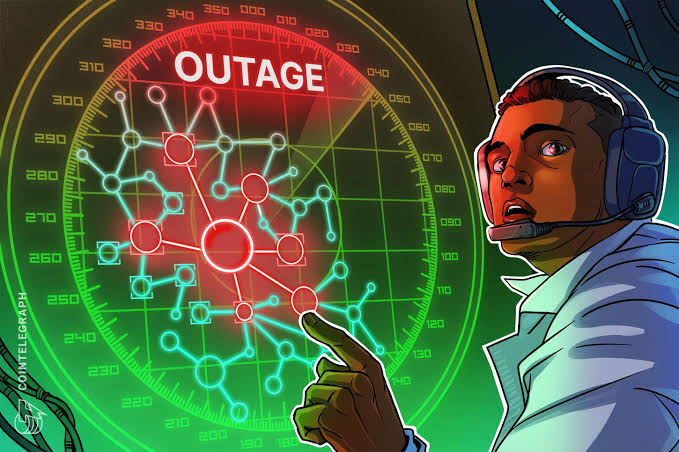
Reliability is one of the biggest selling points for modern blockchain networks. When a network goes offline—even briefly—it can prevent users from sending funds, interacting with decentralized applications, or executing trades.
That concern returned on 4 July 2026 after Base, Coinbase's Ethereum Layer-2 network, experienced its second sequencer outage within a short period. The disruption temporarily stopped new transactions from being processed, leaving decentralized applications and wallets waiting for the network to recover.
Unlike Ethereum itself, Base relies on a centralized sequencer to order and submit transactions before they're finalized on-chain. While this architecture enables significantly faster and cheaper transactions, it also creates a single point of failure. When the sequencer encounters technical issues, users can experience delays even though the underlying blockchain remains secure.
The incident quickly sparked discussion across the crypto community about the trade-offs between scalability and decentralization. Supporters argue that occasional outages are part of the growing pains of rapidly expanding Layer-2 ecosystems. Critics, however, say repeated interruptions highlight why reducing reliance on centralized infrastructure should remain a priority.
Base has grown rapidly since its launch, becoming one of Ethereum's largest Layer-2 networks with thousands of decentralized applications spanning decentralized finance, gaming, and social platforms. As adoption increases, maintaining high availability is becoming just as important as low transaction fees.
Although services were restored after the outage, the event serves as another reminder that blockchain infrastructure is still evolving. As Layer-2 networks compete to attract developers and users, stability and reliability will likely become key factors alongside speed and cost.