 Dansday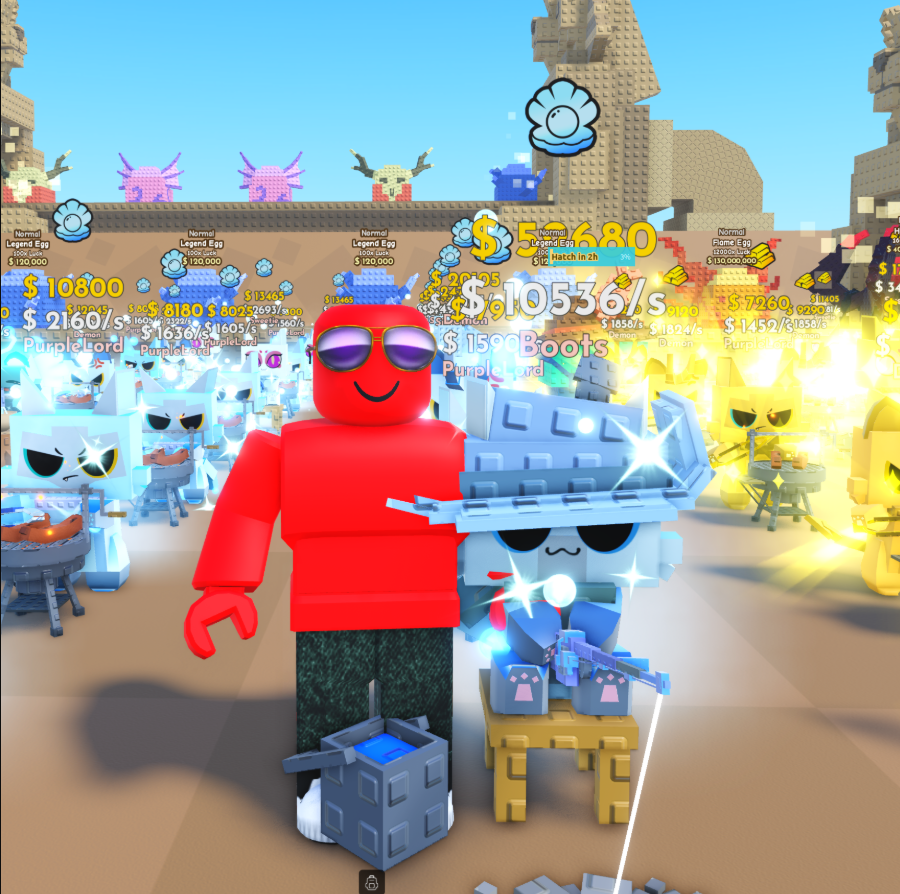
After spending my entire day deep in code, navigating complex architectures, and solving technical bugs that require every ounce of my focus, the last thing I want to do in the evening is engage with anything that feels like work. I have realized that my brain does not need more stimulation or another mechanic to optimize. It needs a complete, quiet reset.
Lately, I have found my version of this reset in a Roblox game called Camping with 99 Cats. It is not about skill trees, competitive leaderboards, or complex combat loops. It is purely about collecting. The premise is simple: I collect rare, limited-edition cats, and those cats generate earnings within the game environment. There is something deeply satisfying about the lack of pressure. When I am building software, I am constantly thinking about efficiency, scalability, and long-term maintenance. In this game, I just collect.
For a long time, I tried to fill my downtime with other technical hobbies or games that required a high level of strategic thinking. I found that I was just burning myself out. I was trying to solve problems even when I was supposed to be resting. Switching to a game that does not demand my full analytical capacity has actually made me a more effective developer. It provides a clean break that allows my subconscious to process my actual work projects without me actively stressing over them.
This experience has taught me a valuable lesson about the importance of having hobbies that are completely disconnected from one's professional identity. Whether it is camping with digital cats or some other low-stakes activity, having a dedicated space to turn off my developer brain is non-negotiable. It is not wasted time; it is maintenance for the most important piece of hardware I own: my mind.