 Dansday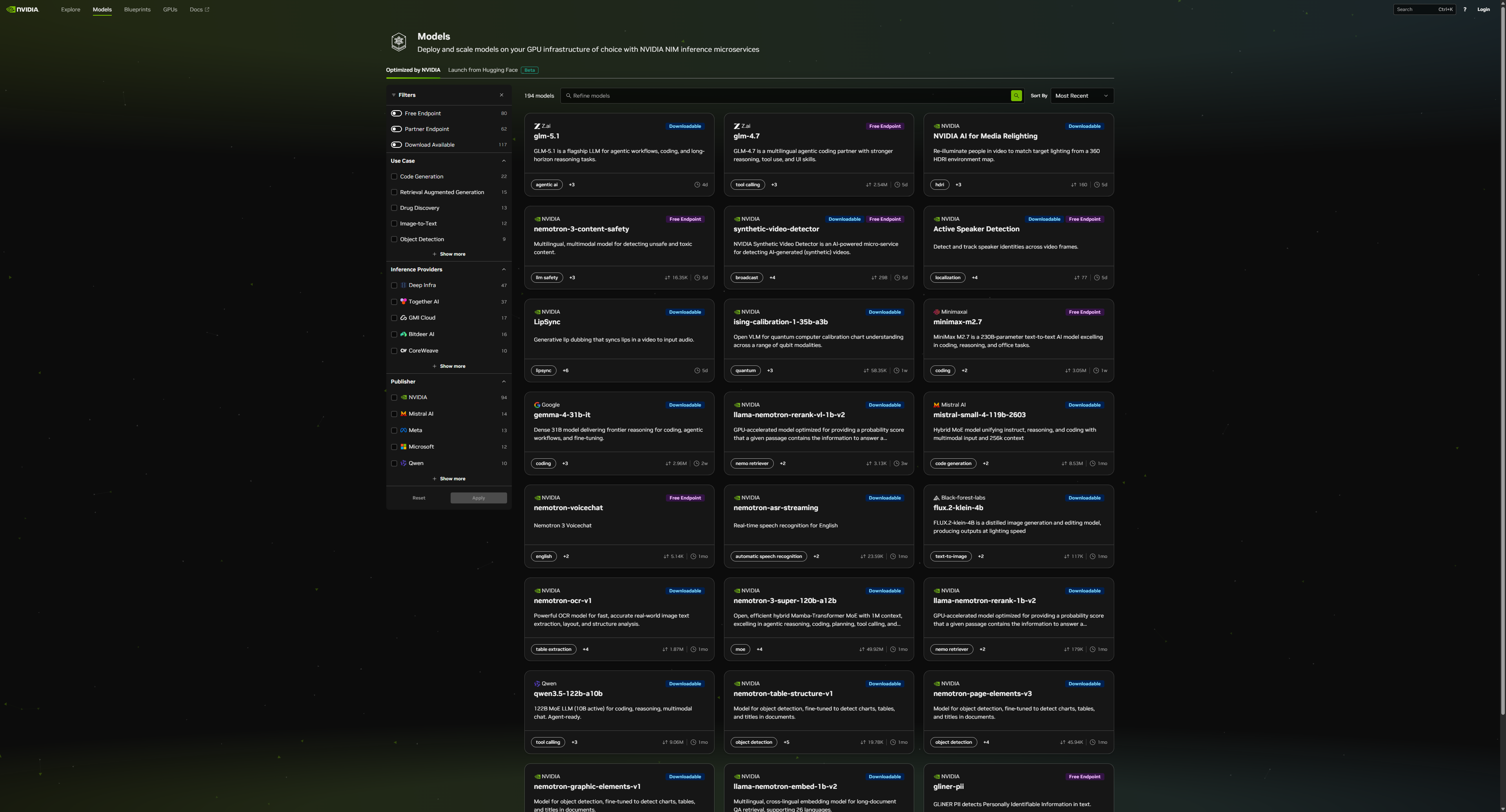
I live in the most affordable apartment I could find. It’s functional, it’s in a decent location, and it gets the job done. But every month, like clockwork, one of the three elevators is out of service. It’s a minor inconvenience I’ve learned to live with. I can’t really complain, because I know what I signed up for. There’s a price, and there’s a quality that comes with it. This exact same trade-off is something I navigate constantly when building software, especially when it comes to choosing an AI model.
When you're starting a new project or just experimenting with an idea, free AI models are incredible. They lower the barrier to entry to zero. You can get an API key and start building immediately without having to worry about costs. It’s the perfect sandbox for prototyping, running personal scripts, or handling non-critical, asynchronous tasks. For these use cases, if a model takes a few extra seconds to respond or the output isn't perfectly nuanced, it’s usually not a big deal. It’s the equivalent of my apartment: it provides the core functionality I need, and I can tolerate the occasional "broken lift."
But then comes the point where you move from a personal project to a user-facing product. This is where the calculus changes entirely. Suddenly, that slow response time isn't just a minor annoyance; it's a frustrating user experience that could cause someone to abandon your app. The slightly less accurate or less coherent output is no longer a quirk; it’s a flaw that makes your product look unprofessional. You can't have your users feeling like they're stuck waiting for a broken elevator.
This is when I make the switch to a paid model. It’s not just about paying for a better model; it's about paying for predictability and reliability. Paid models typically offer:
- Speed. They are consistently faster, which is non-negotiable for any real-time application where a user is waiting for a response.
- Quality. The outputs are generally more accurate, coherent, and capable of handling more complex instructions.
- Higher Rate Limits. Free tiers will throttle you quickly. When your application starts to scale, you need the headroom that paid plans provide.
- Access to the Best Models. Often, the most powerful and up-to-date models are only available through paid tiers.
My decision-making process has become pretty straightforward. For any initial exploration, proof-of-concept, or internal tool, I'll start with a free model. It keeps my development costs down while I figure out the core logic and value. The moment that feature needs to be reliable and performant for an end-user, I switch over to a paid, production-grade model. The cost becomes a necessary business expense, an investment in the quality of my product.
Ultimately, just like choosing a place to live, choosing an AI model is about matching your needs and expectations to your budget. There’s a place for the cheap and cheerful option, but for the things that really matter, you invest in quality. You simply can't build a premium experience on a freemium foundation.