 Dansday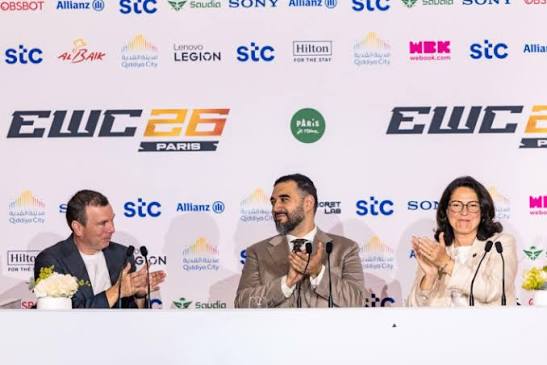
For years, esports tournaments have grown bigger in prize money, audiences, and production value. This week, that evolution reached another milestone as the Esports World Cup 2026 officially opened in Paris.
The tournament brings together more than 2,000 professional players from 84 countries, competing across 24 game titles for a combined prize pool of nearly US$75 million. An opening ceremony featuring performances from DJ Snake and Aya Nakamura marked the start of the seven-week competition, setting the stage for one of the largest esports events ever organized.
Originally launched in Riyadh in 2024, this year's tournament was relocated to France due to geopolitical tensions in the Middle East. Despite the change in venue, Saudi Arabia continues to finance the event through the Esports World Cup Foundation, reflecting the kingdom's long-term investment in gaming and competitive esports.
Beyond the competition itself, the event highlights how esports has become a significant global entertainment industry. Major publishers, sponsors, and professional organizations increasingly view international tournaments as opportunities to expand audiences and strengthen their ecosystems. The inclusion of multiple game genres—from MOBAs and shooters to sports titles and fighting games—also reflects the diversity of today's competitive gaming landscape.
The tournament is expected to attract millions of online viewers throughout July and August, with championship matches broadcast across major streaming platforms. For players, the event offers not only record-breaking prize money but also valuable ranking points and international recognition.
As esports continues to mature, events like the Esports World Cup demonstrate how competitive gaming has evolved from niche tournaments into stadium-scale productions capable of rivaling many traditional sporting events in both reach and commercial investment.