 Dansday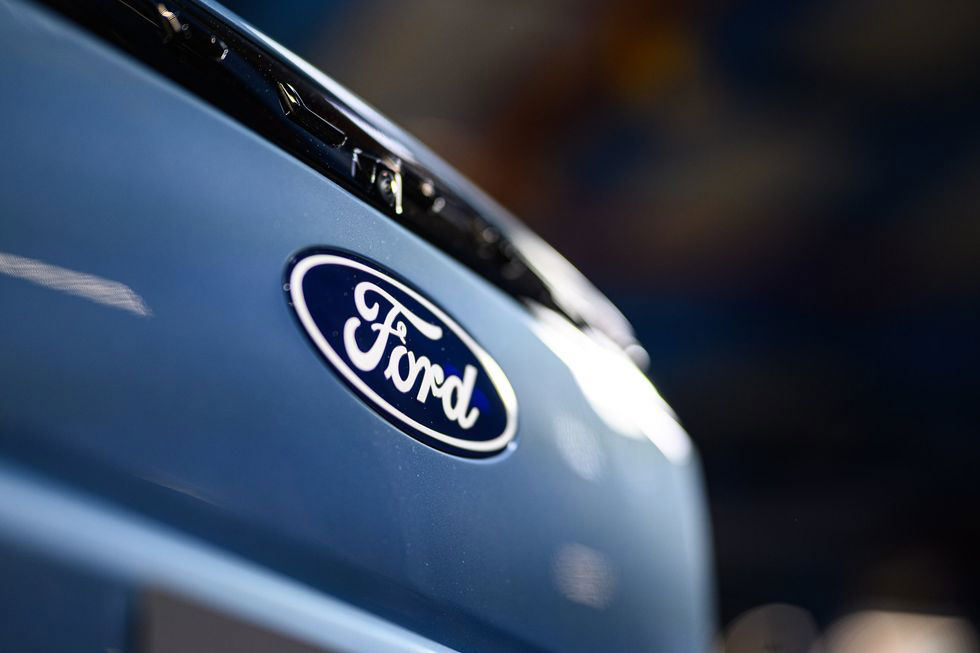
Artificial intelligence is transforming how companies build products—but Ford has discovered that experience is still difficult to automate.
The automaker has started rehiring retired engineers, often referred to internally as "gray beards," after finding that AI-assisted engineering tools couldn't fully replace the practical knowledge accumulated over decades of vehicle development. Instead of eliminating the need for veteran talent, the company found its newest engineers often needed experienced mentors to solve complex manufacturing and design problems.
Ford's decision reflects a challenge facing many technology-driven industries. AI can generate designs, analyze data, and automate repetitive work, but it often struggles with edge cases that require years of real-world engineering experience. Manufacturing issues, supplier constraints, production trade-offs, and unexpected failures are areas where seasoned engineers continue to provide significant value.
Rather than abandoning AI, Ford is combining it with human expertise. Veteran engineers are being brought back to mentor younger staff, validate AI-generated recommendations, and help teams avoid costly mistakes during product development. The company believes this hybrid approach delivers better results than relying solely on automation.
The move also highlights a broader trend across the technology sector. As companies race to adopt AI, many are discovering that the technology works best as an assistant rather than a replacement. Human judgment, especially in highly specialized industries, remains essential for making critical engineering decisions.
For manufacturers, the lesson is clear: digital transformation doesn't eliminate the need for skilled people. Instead, it changes how those skills are applied. Experienced engineers are increasingly becoming the bridge between advanced AI systems and practical product development.
Ford's strategy serves as a reminder that while AI continues to evolve rapidly, decades of hands-on knowledge remain one of the most valuable assets any company can have.