 Dansday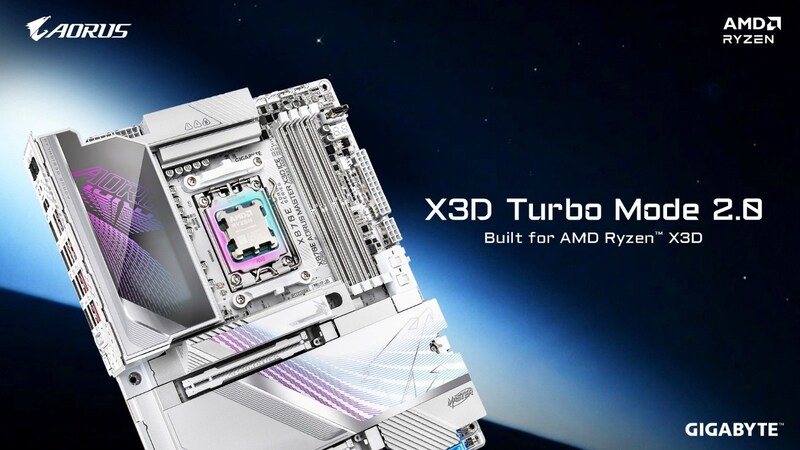
Gigabyte is bringing more artificial intelligence features into PC hardware as motherboard manufacturers look for new ways to improve system performance and user experience.
On 8 June 2026, Gigabyte announced new motherboard technologies that use AI-driven features to improve areas such as performance tuning, system management, and hardware optimization. The company highlighted how AI is becoming increasingly integrated into traditional PC components beyond just graphics cards and processors.
For years, AI discussions have focused mainly on powerful GPUs and data center infrastructure. However, hardware companies are now expanding AI into everyday computing devices, including consumer PCs used for gaming, content creation, and productivity.
Motherboards are becoming more important as modern computers become more complex. Users now manage increasingly powerful CPUs, GPUs, high-speed memory, and storage systems. AI-assisted optimization could help automatically adjust settings based on workload instead of requiring users to manually configure performance options.
The move reflects a wider industry trend: AI is becoming a standard feature across hardware categories. Companies are no longer only selling faster components; they are adding intelligent software features designed to make devices easier to use.
For gamers and PC enthusiasts, AI-powered hardware could improve performance management by automatically balancing power consumption, cooling, and system stability. For creators, similar technologies could help optimize systems for demanding workloads such as video editing, 3D rendering, and AI applications.
Gigabyte's announcement also shows how competition in the PC hardware market is changing. As component performance becomes closer between manufacturers, companies are looking for additional features that can differentiate their products.
The AI race is expanding from cloud servers and advanced chips into the computers people use every day. Hardware companies that successfully integrate AI into consumer devices may shape the next generation of personal computing.