 Dansday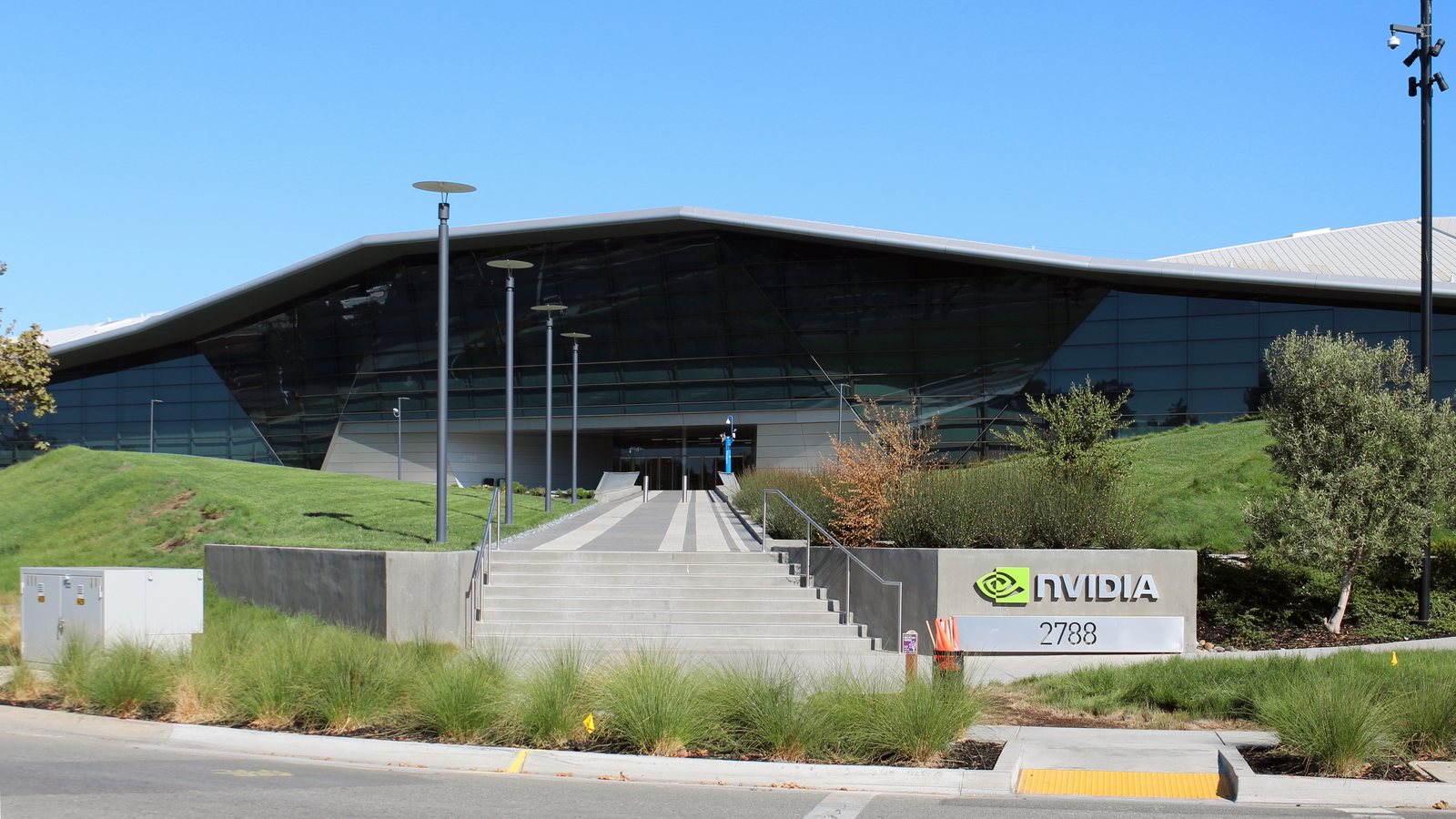
If you build anything with open models, you have a Hugging Face tab open right now. On 4 September 2026, the news broke that Nvidia is buying it for $12.9 billion.
The definitive agreement was signed on 2 September, per Nvidia's filing, with the deal expected to close in the first half of 2027 pending regulatory approval. Nvidia says Hugging Face will remain an open platform for the entire AI ecosystem. Everyone acquired says that. Sometimes it is even true.
What makes this one genuinely load-bearing is what Hugging Face actually is. It is not a product with users; it is infrastructure with dependents. Model weights, datasets, the libraries that download them, the hub that resolves a one-line identifier into gigabytes of tensors. An enormous amount of AI work assumes it is there and free. Nvidia already sells the hardware that the entire field runs on. Now it owns the front door to the weights as well.
The optimistic case is real. Nvidia has the money to keep it running and no obvious incentive to close it off — every model downloaded and fine-tuned is demand for the accelerators. A company that profits from compute wants model distribution to be as frictionless as possible.
The pessimistic case is not about intent. Hugging Face's value has been that it belonged to nobody in particular. Once the neutral commons has a corporate parent, every future decision about it — what gets hosted, what gets prioritised, what quietly gets harder — happens inside one company's strategy rather than outside it.
It landed on a dense Friday. Broadcom reported fiscal Q3 revenue of $29.6 billion, up 86 per cent year over year, with AI semiconductor revenue at $16.7 billion — custom chips were roughly 73 per cent of it — and the stock fell anyway on soft guidance. Tesla started paid rides in a Cybercab with no steering wheel in Austin, and within hours federal investigators opened a probe into whether it meets motor vehicle safety standards. The stock fell on that too.
Three stories, one theme. Every one of them is about who controls the layer underneath. Broadcom is fighting for the custom silicon layer, Tesla for the autonomy layer, Nvidia for the model distribution layer on top of the compute layer it already owns.
That is the shape of the industry now. The applications get the headlines; the acquisitions are all one level down.