 Dansday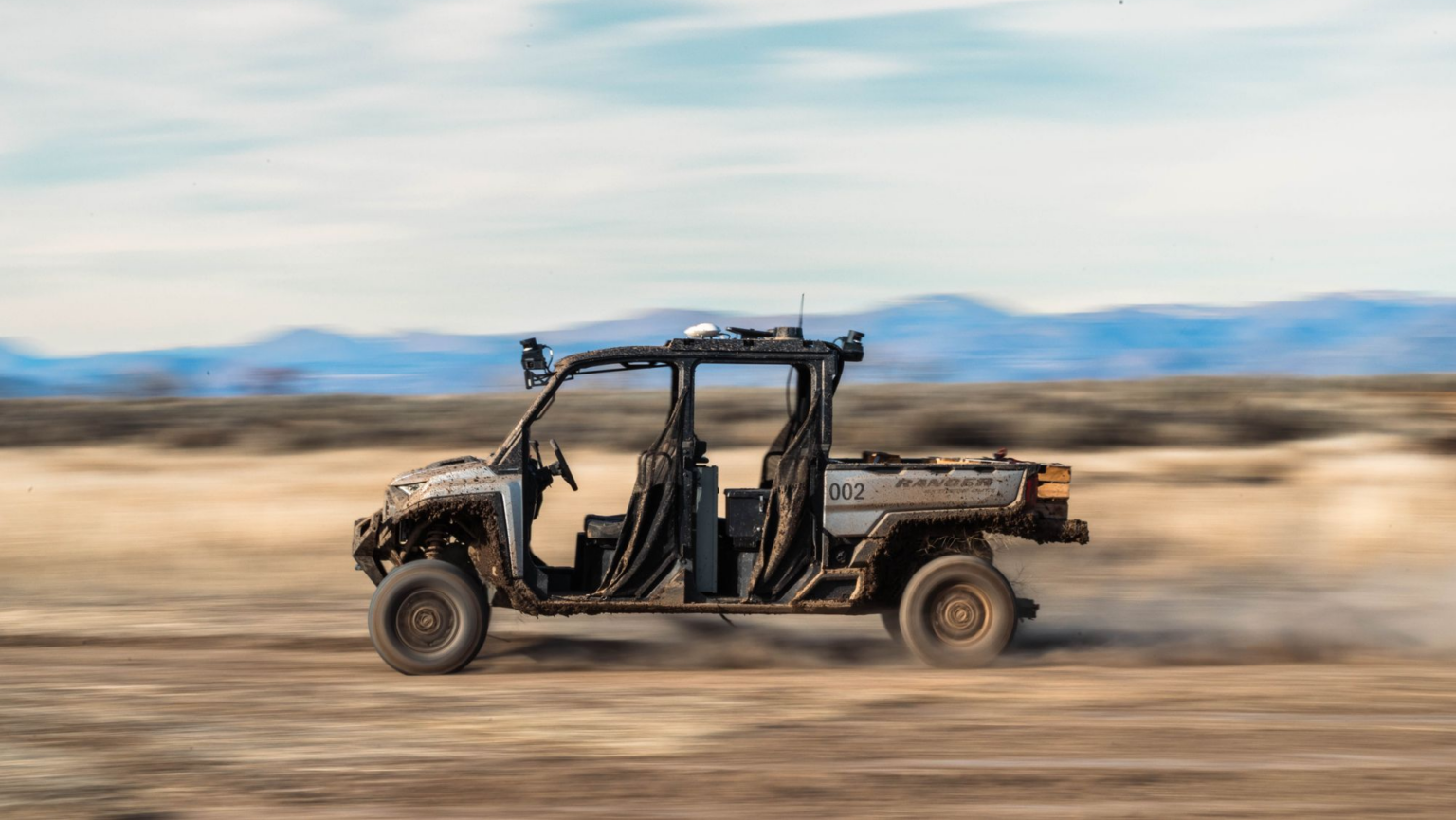
When people think about autonomous technology, they usually picture robotaxis or warehouse robots. But one of the most significant deployments of self-driving vehicles isn't happening on city streets—it's happening in a war zone.
American robotics company Forterra has confirmed that more than 100 autonomous ground vehicles are now operating in Ukraine, carrying supplies through areas that would otherwise expose human drivers to significant danger. Instead of replacing soldiers, the vehicles are taking over one of the most hazardous jobs on the battlefield: moving ammunition, equipment, and humanitarian supplies through contested territory.
Unlike commercial self-driving cars, Forterra's vehicles aren't designed to navigate traffic or pick up passengers. They're built for rough terrain, damaged roads, and environments where GPS signals can be unreliable or intentionally disrupted. Using a combination of onboard sensors, computer vision, and autonomous navigation software, the vehicles can continue along pre-planned routes while remaining under human supervision when needed.
The deployment marks one of the largest publicly known operational uses of autonomous ground vehicles in an active conflict. While aerial drones have transformed modern warfare over the past decade, unmanned ground systems have largely remained in testing. That appears to be changing.
The implications stretch well beyond the battlefield. Military technology has historically found its way into civilian industries, from GPS navigation to the internet itself. Advances in autonomous navigation developed under extreme conditions could eventually improve disaster response, mining operations, construction, agriculture, and industrial logistics.
For robotics companies, proving that autonomous systems can operate in unpredictable real-world environments is often more valuable than demonstrating success inside carefully controlled test facilities. Real deployments generate data that simply can't be recreated in a laboratory.
Whether autonomous ground vehicles become a standard part of military logistics remains to be seen. What is clear, however, is that robotics is no longer a technology of the future. It's already carrying out missions where the stakes couldn't be higher—and that may accelerate adoption across industries far beyond defense.