 Dansday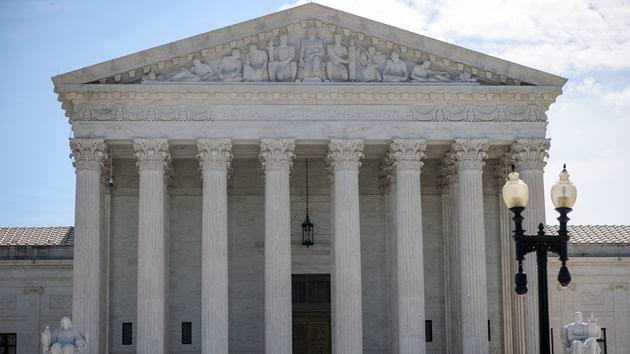
Your smartphone records far more about your daily life than most people realize. Every time location services are enabled, a digital trail is created—and for years, law enforcement agencies have used that information through so-called geofence warrants to identify potential suspects.
That practice received a major setback on 29 June 2026, when the U.S. Supreme Court ruled that broad geofence warrants violate constitutional privacy protections. The decision marks one of the most significant digital privacy rulings in recent years and is expected to reshape how investigators obtain location data from technology companies.
A geofence warrant allows investigators to request location records for every device that was present within a defined area during a specific time period. Companies such as Google have historically received these requests because Android devices and Google services collect location history when users opt in. Privacy advocates have long argued that the practice can sweep up information from thousands of innocent people who simply happened to be nearby.
The Court concluded that these broad requests amount to an unreasonable search because they collect data on individuals without specific suspicion. Investigators can still seek location information, but future requests will need to be far more targeted and supported by stronger justification.
The ruling is expected to influence how technology companies handle future government data requests. It also reinforces a broader trend toward stronger digital privacy protections as smartphones, wearables, and connected devices generate increasingly detailed records of users' daily lives.
For consumers, the decision serves as a reminder that location history is valuable personal information. While many apps rely on it for navigation, recommendations, and emergency services, courts and regulators are paying closer attention to how that data can be accessed and used.
Legal experts believe the ruling could become a landmark precedent for future cases involving cloud storage, AI-powered surveillance, and other forms of digital evidence. As technology continues to evolve, balancing public safety with individual privacy is likely to remain one of the defining legal challenges of the digital era.