 Dansday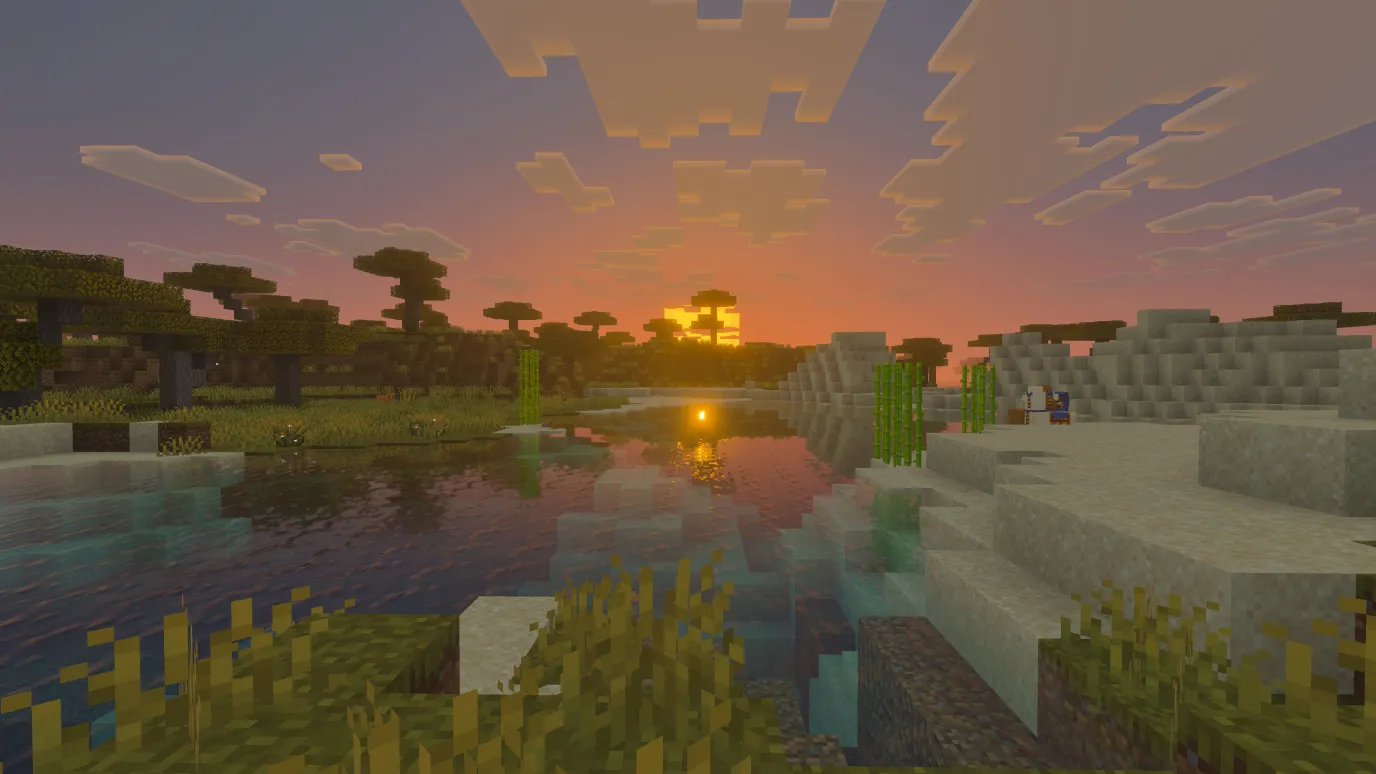
I have spent countless hours as both a player and a developer admiring how graphics technology transformed this blocky sandbox into a breathtaking visual experience.
There was a time when achieving a realistic, vibrant world view in Minecraft was a true test of patience. In the early days, if you wanted to experience dynamic lighting, waving grass, or realistic water, you had to dive deep into shady online forums. You had to search for specific GLSL shader mods, manually patch your game client, install OptiFine, and pray that your graphics card would not melt under the pressure. It was a tedious process of trial and error where a single mismatched version would crash the entire game to the desktop.
Looking back at that era from a developer perspective, the effort was always worth it because of how shaders fundamentally changed the game atmosphere. Converting a simple, low resolution block world into a living, breathing environment with realistic atmosphere and lighting taught me a lot about the power of visual presentation and rendering pipelines.
Here are the key aspects of that visual evolution that always fascinated me as a builder:
- The Magic of Dynamic Lighting
In the early rendering engines, lighting was static and calculated per block face. Introducing shaders changed everything by injecting real time shadow mapping. Watching the sun rise and cast long, sweeping shadows through a forest completely redefined what immersion meant in a procedural world. - Water Rendering and Screen Space Reflections
The default water was just a blue static texture. Shaders introduced complex noise algorithms to simulate waves, along with fresnel reflections and underwater refraction. It turned simple oceans into deep, realistic bodies of water that reacted naturally to the environment. - Optimization and the Modern Pipeline
The transition from heavy, unoptimized legacy mods to modern solutions like Sodium and Iris showed the power of writing highly efficient rendering code. Modern rendering engines utilize modern OpenGL techniques to deliver vibrant visuals at triple the frame rate of the old setups, proving that visual fidelity does not have to come at the cost of performance.
That journey of transforming a blocky world into a vibrant masterpiece is a perfect metaphor for software development. We start with raw, simple structures and gradually layer optimization, visual polish, and refined user experience until we build something truly immersive.